
The New Hampshire Agricultural Mediation Program
About NHAMP
The New Hampshire Agricultural Mediation Program (NHAMP) is the official United States Department of Agriculture certified agricultural mediation program for New Hampshire. NHAMP provides free mediation services to the agricultural community to help resolve disputes before they end up in court. For background information about mediation, click here.
The New Hampshire Agricultural Mediation Program offers producers, lenders and others in the agricultural community the opportunity to resolve disputes in a non-adversarial manner, which may also save the parties time and money. The mediation program’s services are free of charge. Contact Matt Strassberg to learn more about how the program can assist with resolving a wide range of agricultural conflicts or disputes.
What Kind of Agricultural Issues Can Be Mediated for Free?
Contracts, Farm Management, and Labor
Operating a farm requires overseeing general farm management issues as well as managing labor and contractual issues. When problems in these areas arise, the mediation program can help the parties discuss the issue in a constructive manner and develop mutually acceptable solutions.
Credit Counseling
When finances are tight, farmers must make critical decisions about paying back farm loans, credit card companies, and lessors, while still meeting basic living expenses. Credit counseling can help farmers get an overview of their financial situation, including cash flow requirements, and develop a plan to work with creditors in order to maintain farm operations.
Crop Insurance
Crop damage due to pests or weather can be devastating, but crop insurance doesn’t always provide the relief expected by a farmer. Mediation can help farmers and insurance companies work out damage claims on USDA Risk Management Agency insurance policies.
Easement Issues
Many farms have easements either with neighbors, land trusts, or even USDA. If there is a disagreement about the meaning of the easement or if you would like help negotiating an easement, the agricultural mediation program can help.
Family Farm Transitions
Decisions about the long term future of a family farm can be financially and emotionally challenging. A neutral mediator can help farm families clarify changing roles and responsibilities, agree on financial terms, and navigate difficult conversations that often are part of family farm transitions.
Farm Credit/Debt Issues
Farm-related credit and debt issues can arise with feed or equipment dealers and credit card companies. Mediation can help work out lump-sum or monthly installment payment plans or other arrangements.
Farm Loans
Farm loans can provide crucial funding for farm ownership and operating expenses. Loan sources can include the USDA Farm Service Agency, Farm Credit banks, private banks, or even a friend or family member. If repayments have become a problem or changes are needed to the loan’s terms, a neutral mediator can help with loan modifications and repayments. Working with a mediator may also help address possible foreclosures.
Farmer-Neighbor Disputes
Disputes related to noises, odors, pesticide application or other issues can cause friction with nearby property owners. Mediation can help parties craft solutions to address concerns that arise from farming operations.
Leases (Land and Equipment)
Leases are important options for long term access to farmland, or for equipment use, but parties may differ in how they interpret the terms after the lease is executed. Conditions may have changed, or one side may be perceived as not living up to the bargain. Mediation can help parties negotiate the terms of new land and equipment leases and resolve conflicts with existing leases.
Organic Certification
Disagreements about organic certification or de-certification can have major impacts on market access. Mediation can help organic farmers and certifying agents focus on areas of contention to develop mutually agreeable solutions.
Pesticide Issues
Pesticide use is heavily regulated and can be contentious. Mediation can help parties address issues concerning pesticide application, enforcement, drift, buffers, and other issues.
USDA Farm and Conservation Programs
USDA farm and conservation programs often have complicated requirements that can include significant penalties for non-compliance. Farm or environmental conditions can change, making it difficult to meet planned objectives. Misunderstandings can arise about initial expectations or whether expectations have been met. Mediation can facilitate communication, help parties better understand each other’s perspectives, and resolve underlying issues. Mediation helps the farmer maintain control over final decision making.
USDA Rural Development Loans
USDA Rural Development loans also offer home ownership opportunities to low- and moderate-income rural Americans. When problems arise, mediators can help parties reach agreement on loan denials, modifications, and repayment plans.
Wetlands Determinations
Wetlands determinations can limit options for use of the land. If a farmer disagrees with a wetlands determination, mediation can be a useful process to bring experts into the process to ensure both sides agree on delineation of the wetland.
How Much Does Mediation Cost?
For other common questions about mediation, see our FAQ.
Steps To Request Mediation Through NHAMP
- Fill out and submit a Request for Mediation form.
- NHAMP staff will confirm that the other party (or parties) is willing to participate in the mediation.
- NHAMP staff will conduct brief confidential interviews to learn background information about the dispute.
- NHAMP will assign a mediator from the Agricultural Mediation Roster or NHAMP staff based on subject matter expertise, geography, and availability.
- The mediator will contact the parties to arrange a date, time and location for the mediation session.
Contact
Matt Strassberg
Co-director
(603) 685-4780 ext 101
Jenna Muller
Co-director
(603) 685-4780 ext 104
Cara Cargill
Program Manager and Mediator
(603) 685-4780 ext 105
Resources to Help with Covid-19 Issues
Government Organization Links
Other Organizations And Programs Links
Other Nearby USDA Certified Agricultural Mediation Programs
Bring financial stability to your operation. See how ag credit mediation can help.
NHAMP Staff
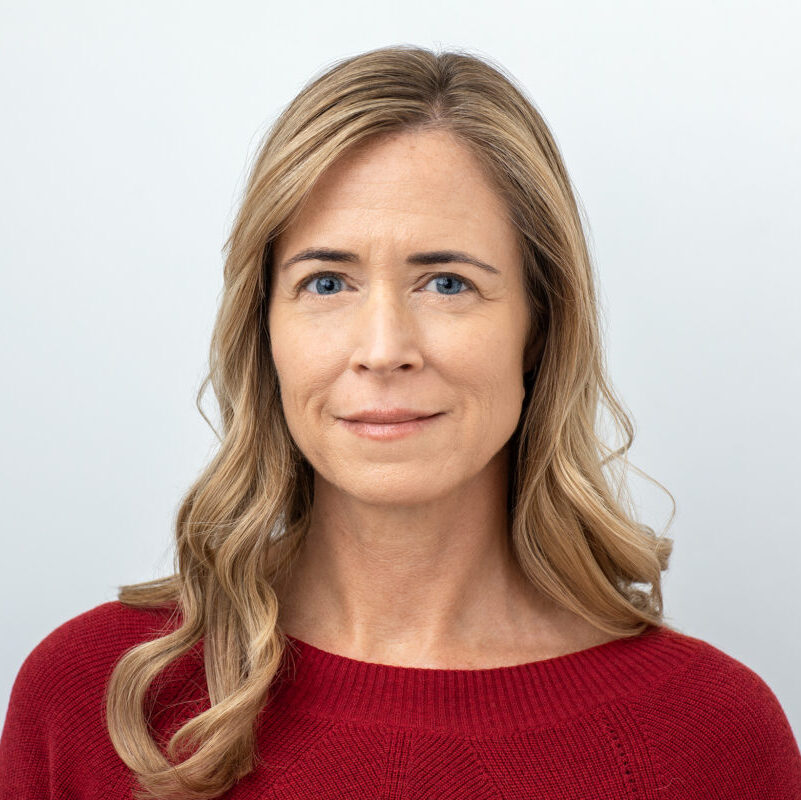
Cara Cargill
Program Manager and Mediator

Matt Strassberg
Co-director
Matt is an attorney and mediator with over thirty years of experience in environmental law and mediation. He was the founding director of Green Mountain Environmental Resolutions, a dispute resolution firm focused on developing collaborative solutions to environmental and land use disputes. He serves on the Steering Committee of the Coalition of Agricultural Mediation Programs and is listed on the roster of the US Institute for Environmental Conflict Resolution.
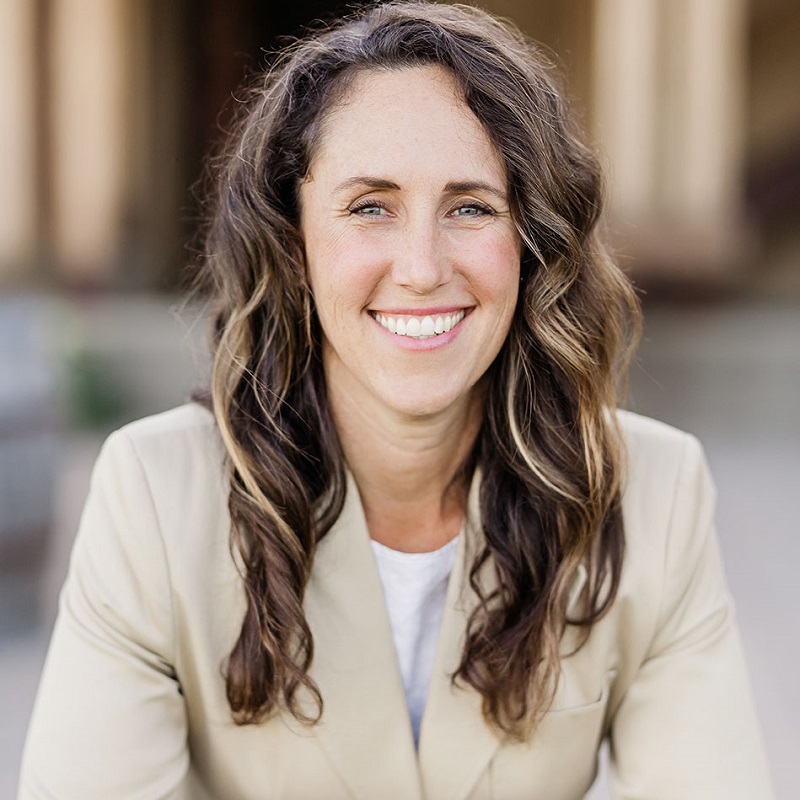
Jenna Muller
Co-director
Jenna Muller is a mediator, lawyer, and farm owner. She completed her legal training at the University of Michigan Law School. Her legal practice focused on corporate restructuring and business disputes. Jenna received mediation training from the Yolo Conflict Resolution Center and UC Berkeley. She has a Bachelor of Arts in International Development Studies from UCLA and worked on development issues in Brazil. In 2013, she became an owner of Full Belly Farm, a 450-acre organic, mixed-fruit and vegetable operation in Northern California. As a farm owner, she regularly interacts with state and local agencies and deals with organic certification requirements, buy/sell agreements, leases, and environmental and labor issues. She is familiar with the myriad challenges and opportunities facing family farms and agricultural businesses in California. Jenna lives with her husband and three children in the Capay Valley, near Sacramento, California.
NHAMP Mediators

Irene Grace Garvey
Consultant and Mediator

Connie Rakowsky
Mediator
Connie is a mediator serving parties privately, as well as with the American Arbitration Association, New Hampshire’s probate, superior and business courts, and U.S. District Courts. Connie formerly practiced law with Orr & Reno in Concord and managed a legal aid firm. She was an early adopter of mediation in the 1990s. Connie brings a depth of understanding to loan, real property, succession, grants, and financial matters. Her mediation and legal experience include family probate disputes, and forestry and land protection arenas. For the past 20 years, she has gardened alongside her farmer/retired environmental lawyer/spouse at their several-acre home. For more information about Connie, visit: www.RakowskyMediation.com.
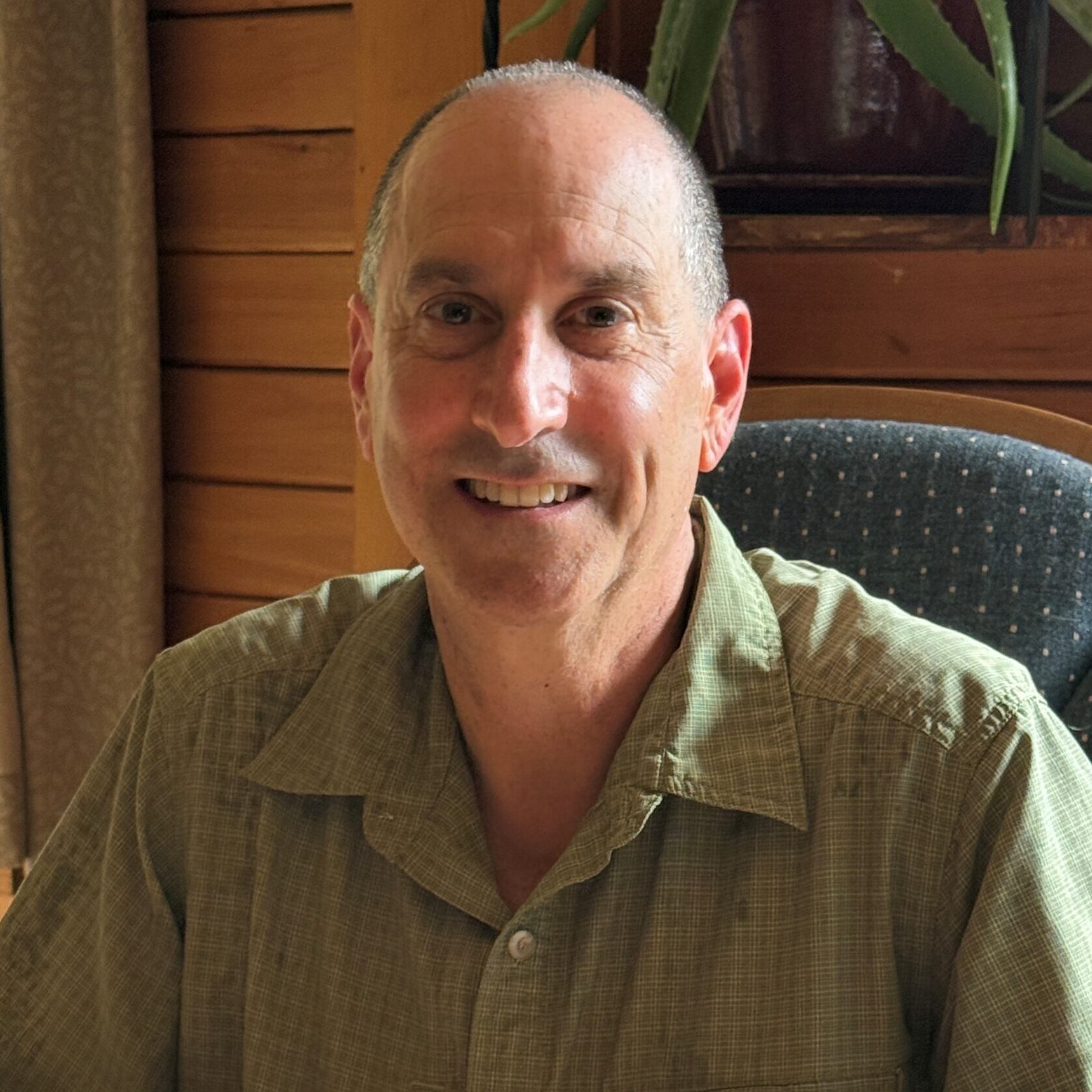
Seth Wilner
Mediator
Seth Wilner has worked with farmers for more than 30 years, including the past 26 years with UNH Cooperative Extension. Throughout his career, he has focused on helping farmers strengthen both the financial health of their businesses and the quality of life of the people who work and live on the farm.
His expertise includes farm business management, whole-farm planning, financial analysis, farm transfer, and farm succession planning. Seth enjoys helping farmers develop practical goals, implement effective management systems, and use financial information to make sound decisions. He believes that successful farms depend as much on healthy relationships and thoughtful communication as they do on strong financial management.
Working with farm families through succession planning highlighted the need for skilled conflict resolution. To better serve farmers navigating difficult conversations and complex family dynamics, Seth became certified in both traditional (transactional) mediation and transformative mediation. This combination allows him to help clients both resolve disputes and strengthen relationships, depending on their needs and goals.
Seth has long admired the work of the New Hampshire Agricultural Mediation Program and has enjoyed collaborating with its Program Manager and Mediator, Cara Cargill, over the years. Joining the program provides an opportunity to continue serving New Hampshire’s agricultural community while working alongside respected colleagues and further developing his mediation practice.
Whether working with business decisions, family transitions, or conflict resolution, Seth’s passion is helping farm families build resilient businesses, stronger relationships, and successful transitions for future generations.
CASE STUDIES
The above case studies are either compilations of cases with similar facts or include changes to minor details to protect the confidentiality of the mediation process and the privacy of the parties. Photos of farms and or farmers are used for decorative purposes. These farms and farmers were not involved in the above case studies.
Testimonials
The dedication of Agricultural Mediation Program mediators and their ability to get all the necessary parties willing to work together constructively made it possible to reach a positive outcome in a case where it didn’t seem likely.
I tried to resolve my dispute on my own for 18 months but was shot down on every avenue I tried. Once we got into mediation, they really started to listen to me for the first time and we were able to resolve the dispute quickly.
The mediation enabled the parties to communicate their interests clearly and effectively and reach a resolution quickly that was acceptable by all parties. I felt really good about how the mediation was conducted and would use Agricultural Mediation Program’s services again.
STAY CONNECTED
Contact
Matt Strassberg
Co-director
(603) 685-4780 ext 101
Jenna Muller
Co-director
(603) 685-4780 ext 104
Cara Cargill
Program Manager and Mediator
(603) 685-4780 ext 105